







Search Results for: pepper exports
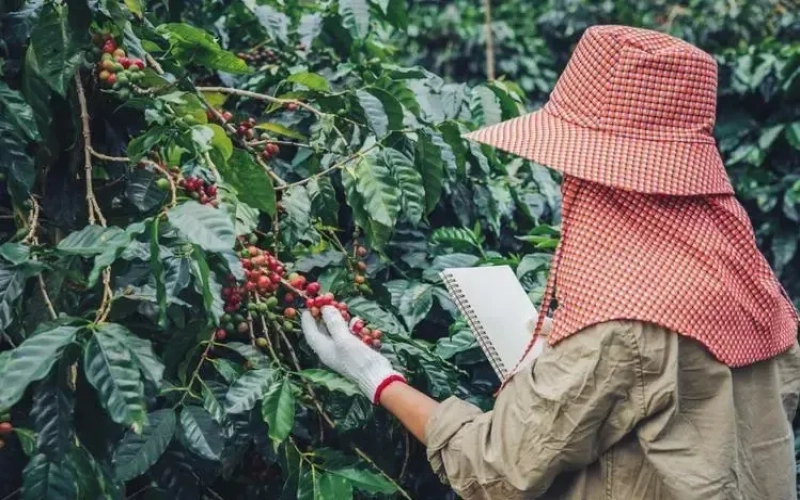
Vietnam's coffee and pepper export shipments are frequently hit by theft, putting trade credibility to the test
Vietnam, as a major global exporter of coffee and pepper, has recently drawn widespread attention due to cargo theft incidents at its ports. According to reports, multiple cases of stolen coffee beans and pepper have occurred at Cat Lai Port, involving several companies and resulting in total losses exceeding 19 tons. Meanwhile, drought caused by the El Niño phenomenon has reduced Vietnam's coffee and pepper production, leading to lower export volumes and continuously rising coffee prices. Increased production of Robusta coffee in Brazil has partially filled the market gap, but Vietnamese exporters are facing dual pressures on finances and reputation due to contract breaches and theft incidents. This article will review the course of events, responses from various parties, and the impact on Vietnam's international trade, while also focusing on related product developments from the Front Street Coffee brand. [more…]
Under drought and durian pressure, Vietnam's coffee production declines, export volume drops by 10% but prices soar
As a major global coffee producer, Vietnam faced a setback of declining export volumes in the first half of 2024. Data shows that coffee export volume fell by 10.5% year-on-year in the first six months to 902,000 tons, but thanks to a 50.4% surge in average export prices, total export value instead climbed to US$3.22 billion, an increase of 34.6%. Behind the production decline are both irreversible damage to coffee trees caused by drought and competitive pressure from cash crops such as durian and passion fruit, with large numbers of farmers switching to more profitable fruit trees, leading to a continued shrinkage of coffee-growing area. Although coffee prices have risen to high levels, they are still not attractive compared with the profits from crops such as durian. At the same time, demand for Vietnamese coffee in the South Korean market is growing, bringing a glimmer of warmth to the export outlook. [more…]
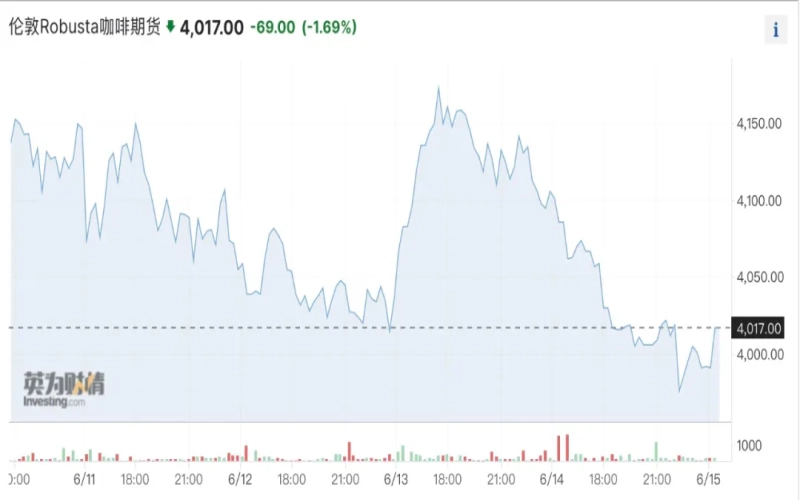
Robusta prices remain stubbornly high as Vietnam's coffee industry is squeezed by both extreme weather and crop competition
Vietnam, a major global robusta coffee-producing region, has recently suffered from prolonged high temperatures, drought, and insufficient rainfall, causing a marked decline in coffee production. Although high international coffee prices once encouraged farmers to expand planting, extreme weather has made cultivation exceptionally difficult. In the first five months of 2024, Vietnam's coffee exports fell by nearly 6% year-on-year, while robusta futures prices remained high at US$4,000 per ton, forcing some roasters to turn to Indonesia for procurement or choose to raise prices. At the same time, pepper prices have risen sharply, with returns far higher than those of coffee, which may prompt farmers to switch to pepper cultivation, and Vietnam's coffee-growing area may shrink in the future. Front Street Coffee will continue to monitor this shifting situation affecting the global coffee supply chain. [more…]
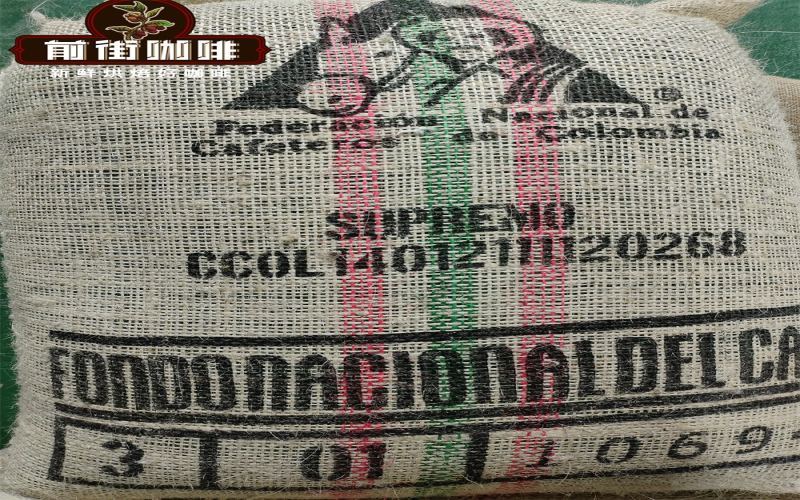
A Complete Guide to Colombia's Coffee Bean Export Grading Standards and the Flavor Profile of the Geisha Variety
Colombia, as a major global exporter of Arabica coffee, has a green bean grading system centered on Excelso as the core export standard, with strict regulations on bean size, defect scoring, moisture content, and more. This article starts with the soft, aromatic characteristics of Colombian coffee, explains in detail FNC's defect scoring rules and Supremo grade requirements, while tracing the journey of the Geisha variety from the forests of Ethiopia to Hacienda La Esmeralda in Panama, and focuses on the Hanami Geisha blend coffee from Finca Mont Blanc in the Huila region. Front Street Coffee presents its layers of pink pepper, chamomile, mandarin, honey, and almond through a light roast, and the article includes complete brewing parameters and recommendations. [more…]
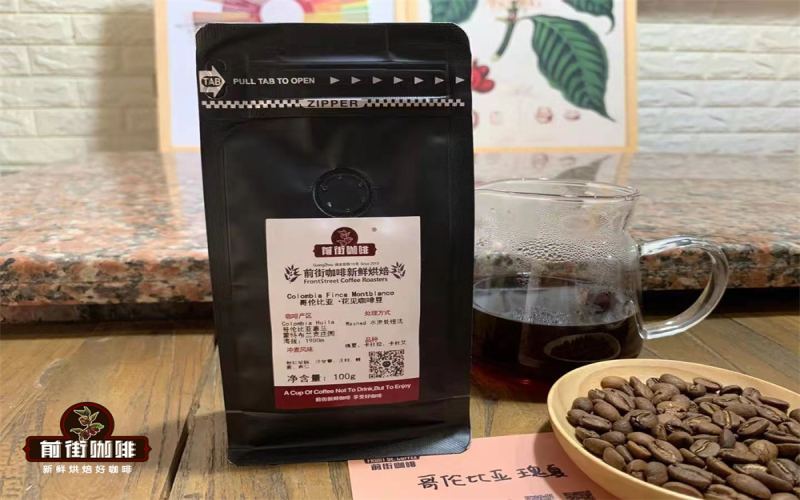
Colombia Hanami Geisha Blend Coffee Beans Review: Washed Processing Flavor Ratio and Origin Estate Analysis
Front Street Coffee brings you a distinctive Colombian Hanami coffee bean, a blend of three major varieties — Geisha, Caturra, and Catuai — washed-processed to present a clean flavor. This bean originates from Colombia's renowned Huila region, carrying a base of nut and caramel with the sweet-tartness of berries, and blooming with the captivating aromas of chamomile and pink pepper at high temperatures. This article will share Front Street's brewing parameters and flavor performance in detail, and take a deeper look at the characteristics of the Huila region and the cultivation story of the Monteblanco estate, giving you a comprehensive understanding of the unique charm of this Geisha blend coffee bean. [more…]
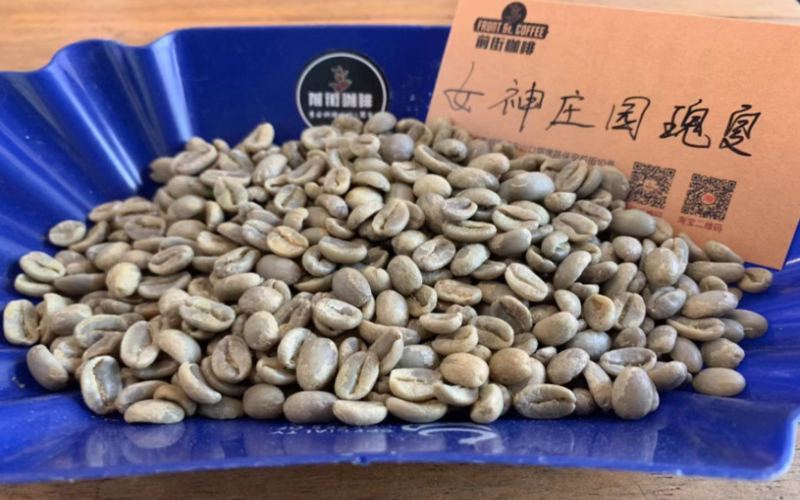
Colombian Geisha Coffee Bean Flavor Analysis | Estate Growing Characteristics in the World's Third-Largest Coffee Exporting Country
Geisha coffee traveled from the wild forests of Ethiopia to the world stage, enduring nearly a century of obscurity before making a stunning debut in Panama. This article will guide you through Geisha's origins and flavor characteristics, and take you deep into Colombia's Huila region to visit how Finca Monteblanco successfully introduced Geisha. The Colombian Hanami Geisha obtained by Front Street Coffee is a blend of three varieties—Geisha, Caturra, and Catuai—processed using the traditional washed method, revealing rich layers of chamomile, pink pepper, mandarin, and honey. The article also covers Colombia's coffee-growing environment, variety characteristics, and Front Street's roasting and brewing recommendations. [more…]
Analysis of Honduran Coffee Estates, Regions, Varieties, and Flavors: Front Street Coffee Takes You Through the Characteristics of Highland Coffee
Honduras, as an important coffee-producing country in Central America, has 280,000 hectares of coffee plantations, mostly small estates. This article will provide a comprehensive introduction to Honduran coffee from the perspective of Front Street, covering estate names, taste profiles, producing regions, and varietal characteristics. High-quality Honduran coffee is washed, undergoing processes such as soaking, pulping, and screening, and is dried using the sun-drying method, giving it a faint fruity aroma. Its flavor is soft and full-bodied, with low acidity, notable for black berry and caramel sweetness, and occasionally hints of black pepper and tobacco. The article also explains in detail the two grades of High Grown Coffee and Strictly High Grown Coffee, as well as details such as coffee bean appearance and picking methods, taking you deeper into the unique charm of this Central American coffee origin. [more…]
The Cradle of African Coffee: A Comprehensive Analysis of Flavor Characteristics and Coffee Bean Origins Across Ethiopia's Regions
Ethiopia is widely recognized as the birthplace of coffee and still preserves a large number of wild coffee tree species. The country is not only a major exporter of Arabica coffee beans in Africa, but also boasts diverse production regions such as Harrar, Djimmah, Sidamo, and Lekempti, each with its own distinct style. From cultivation zones at altitudes above 1,500 meters, to unique herbal drinking methods, to the export system controlled by ECMC, Ethiopian coffee has become a sought-after target for coffee enthusiasts worldwide thanks to its hard-to-replicate flavors and considerable prices. This article provides a systematic overview of its place of origin and the characteristics of its main production regions, along with purchasing recommendations from Front Street Coffee. [more…]

Indonesia Plans to Follow Nickel Ore Model by Banning Raw Coffee Exports, Potentially Reshaping Global Supply Dynamics
Indonesian President Joko Widodo revealed at the 2024 BNI Investor Daily Summit that the government is considering banning the export of unprocessed agricultural products such as coffee and cocoa to advance its resource downstreaming strategy. If implemented, this policy will directly affect the export volume of the world's fourth-largest coffee-producing country, thereby driving up international coffee prices. It is worth noting that Jamaican Blue Mountain coffee had a similar precedent, but it was eventually relaxed due to trade liberalization. Indonesia's domestic consumption is robust, with exports accounting for more than half, and whether the deep-processing policy can be smoothly implemented remains in question. This article reviews the policy background, historical cases, and market impact for the reference of coffee enthusiasts. [more…]
A Comprehensive Analysis of Ethiopian Coffee Regions: Flavor Profiles and Cultivation Overview from Harrar to Yirgacheffe
As the birthplace of the coffee tree, Ethiopia occupies an irreplaceable position in the global coffee landscape. This East African nation has around 12 million people working in coffee and is one of Africa's most important exporters of Arabica coffee beans. From the high-altitude Harrar region, to Yirgacheffe (marketed under the brand name Yirga Cheffe), to Jimma, Sidamo and Limu, coffees from each area display distinctly different terroir-driven personalities. This article systematically outlines the distribution, cultivation methods, flavor characteristics and market flows of Ethiopia's major coffee regions, and introduces its unique drinking traditions and industry management mechanisms, giving you a complete picture of this homeland of specialty coffee. [more…]
Ethiopia, the Source of African Coffee: An Analysis of Production Regions, Variety Characteristics, and Industry Operations
Ethiopia is widely recognized as the birthplace of coffee, and to this day a large number of wild coffee trees still grow naturally there. This article systematically sorts through the country's coffee origin legends, the flavor differences among major producing regions (Harrar, Djimmah, Sidamo, Lekempti, etc.), the diversity of cultivation methods, and the industry management and export landscape. It also introduces the local distinct drinking customs, and includes Front Street Coffee's recommendations and brewing suggestions for Ethiopian beans, making it suitable for enthusiasts who want to gain a deeper understanding of African specialty coffee. [more…]
Flavor Characteristics and Health Benefits of Ethiopian Arabica Coffee Beans: From Origin to Cup
Ethiopia is the birthplace of coffee and one of the most important Arabica coffee-producing countries in the world. This article begins with the origin of the coffee tree and reviews Ethiopia's coffee cultivation methods, major producing regions, and product names, including Harrar, Jimma, Sidamo, and Yirgacheffe, while analyzing their flavor characteristics and drinking benefits. Ethiopian coffee has a unique flavor, combining vinous notes and soft acidity with rich layers arising from regional differences. The article also introduces the local distinctive spiced beverage preparation methods, domestic consumption habits, and the coffee export management system, helping coffee enthusiasts gain a comprehensive understanding of the coffee charm of this legendary origin. [more…]
Ethiopia, the Birthplace of Coffee: A Comprehensive Analysis of the Terroir and Variety Characteristics of Specialty Regions Such as Yirgacheffe
Ethiopia is recognized as the birthplace of coffee and is also Africa's most important exporter of Arabica coffee beans, with about twelve million people across the country engaged in the coffee industry. Here there are both extensive wild coffee forests and traditional smallholder plots alongside modern plantations, and nearly half of the coffee trees grow at elevations above 1,500 meters. Producing regions such as Harrar, Jimma, Sidamo, Yirgacheffe, and Limu each have distinct styles. Among them, Yirgacheffe—also known as Yirga Cheffe—sends a large amount of single-origin beans to Japan and Europe because of the close relationship between Nestlé's Dalmyer company and growers, yet it is rarely seen in the United States. Ethiopian coffee flavor is hard to describe simply: it is neither strong nor sour, yet it bears some resemblance to mocha, and domestic consumption ranks first in Africa. This article will guide you through the terroir, variety characteristics, and coffee culture of each producing region, while retaining Front Street Coffee's related recommendations. [more…]
A Complete Analysis of Ethiopia's Yirgacheffe Region: Flavor Profile, Proper Brewing Methods, and Specialty Coffee Characteristics
Ethiopia is the birthplace of coffee and an unmissable core region on the global specialty coffee map. Sub-regions such as Yirgacheffe, Harrar, and Sidamo each have their own terroir personality, with Yirgacheffe renowned worldwide for its bright floral and fruity notes. This article systematically examines Ethiopia's coffee cultivation methods, the flavor characteristics of its main producing regions, market circulation patterns, and local drinking traditions, and includes Front Street Coffee's Yirgacheffe recommendations and brewing suggestions to help coffee lovers truly understand the taste of this "land of origin." [more…]
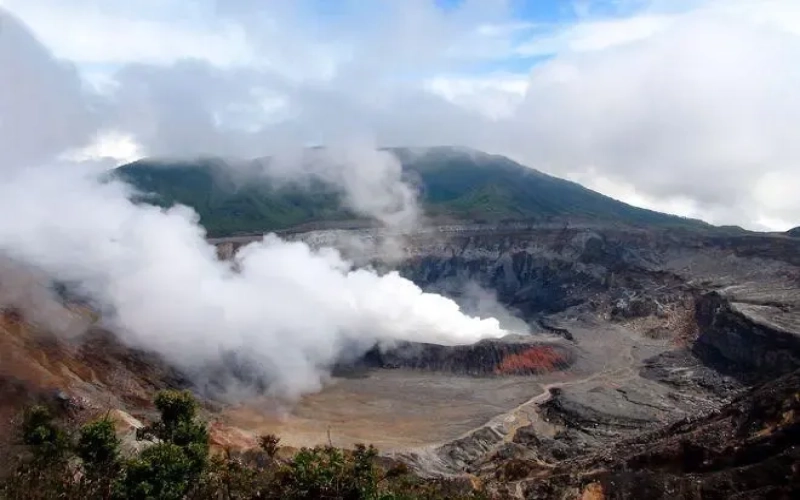
Costa Rica's Poás Volcano Sees Strongest Eruption in Nearly Five Years, Ash Fall Affects Residents' Lives and Coffee-Growing Regions
On April 2, the Poás Volcano in Costa Rica experienced its largest eruption in nearly five years, with an ash column reaching 600 to 800 meters above the crater, posing a threat to local residents' lives, air quality, and crops such as coffee. Poás Volcano National Park has been temporarily closed, and several coffee-producing regions around the volcano, including the well-known Central Valley, also face potential impacts from volcanic ash. At the same time, drought and frequent fires triggered by El Niño have further intensified pressure on local agriculture. This article will review the specifics of this volcanic eruption, its impact on the coffee industry, and the outlook for Costa Rica's coffee exports. [more…]
What is the difference between Mandheling and Golden Mandheling? An analysis of the flavor and taste characteristics of Mandheling pour-over coffee.
Mandheling coffee is hailed as the representative of specialty coffee in Asia, while Golden Mandheling attracts much attention for its higher price. Both originate from the island of Sumatra in Indonesia, so why is the price gap so wide? This article systematically sorts out the core differences between Mandheling and Golden Mandheling, from the origin of the name Mandheling, the way Indonesian production regions are defined, and the classification of export grades, to the evolution of the Lintong and Aceh production regions. At the same time, combined with pour-over extraction, it introduces the flavor and taste characteristics of Mandheling, and recommends Front Street Coffee's Mandheling and Golden Mandheling products, helping coffee enthusiasts build a clear understanding. [more…]
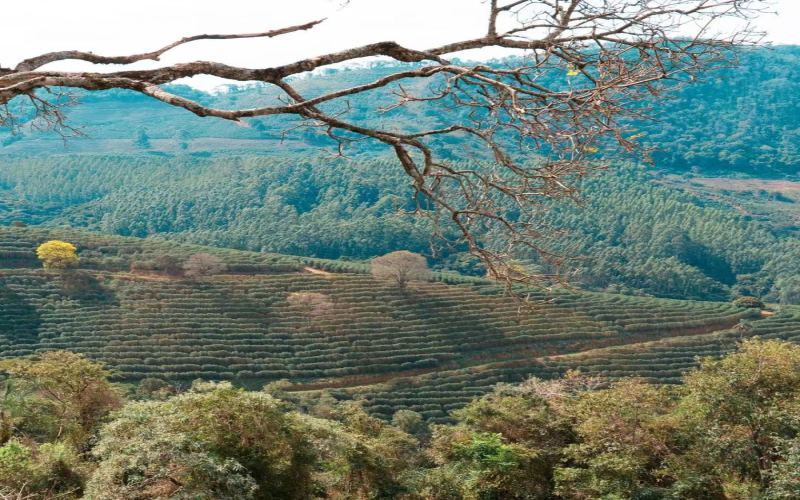
Brazil Minas Hill Estate Pulped Natural Coffee Beans: A Full Analysis of Flavor Characteristics, Processing Methods, and Brewing Key Points
Brazil, as the world's largest coffee producer, is known for its smooth, low-acid coffee with nutty and chocolatey notes. Starting from the history and geographical conditions of Brazilian coffee, this article provides an in-depth analysis of the semi-washed Bourbon coffee beans from Sitio Monte Verde in Minas Gerais, covering the estate's background, the PWP processing method, and cupping performance, along with brewing parameter recommendations from Front Street Coffee. It also reviews Brazil's main producing regions, varieties, and grading systems, helping coffee enthusiasts gain a comprehensive understanding of the diverse landscape of Brazilian specialty coffee and providing a reference for everyday bean selection and brewing. [more…]
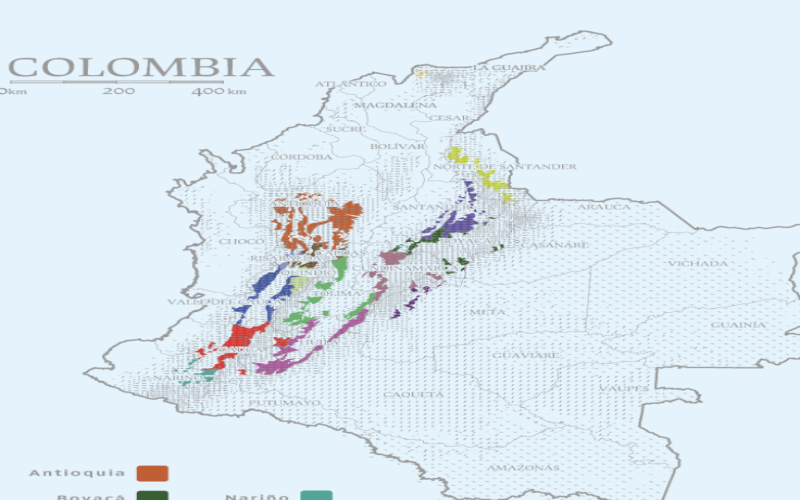
A Complete Guide to Colombian Specialty Coffee Beans: Growing Regions, Variety Flavors, and Pour-Over Parameters
Colombia is the world's third-largest coffee exporter, and all of the coffee it produces is of the Arabica variety. Thanks to its volcanic soil, high altitudes, and diverse climates, it has become an important origin for specialty coffee. This article systematically reviews Colombia's main specialty regions, common cultivated varieties, and their flavor characteristics, and introduces several Colombian beans sold by Front Street Coffee along with brewing suggestions, helping enthusiasts gain a comprehensive understanding of the flavor spectrum of Colombian coffee and how to choose it. [more…]
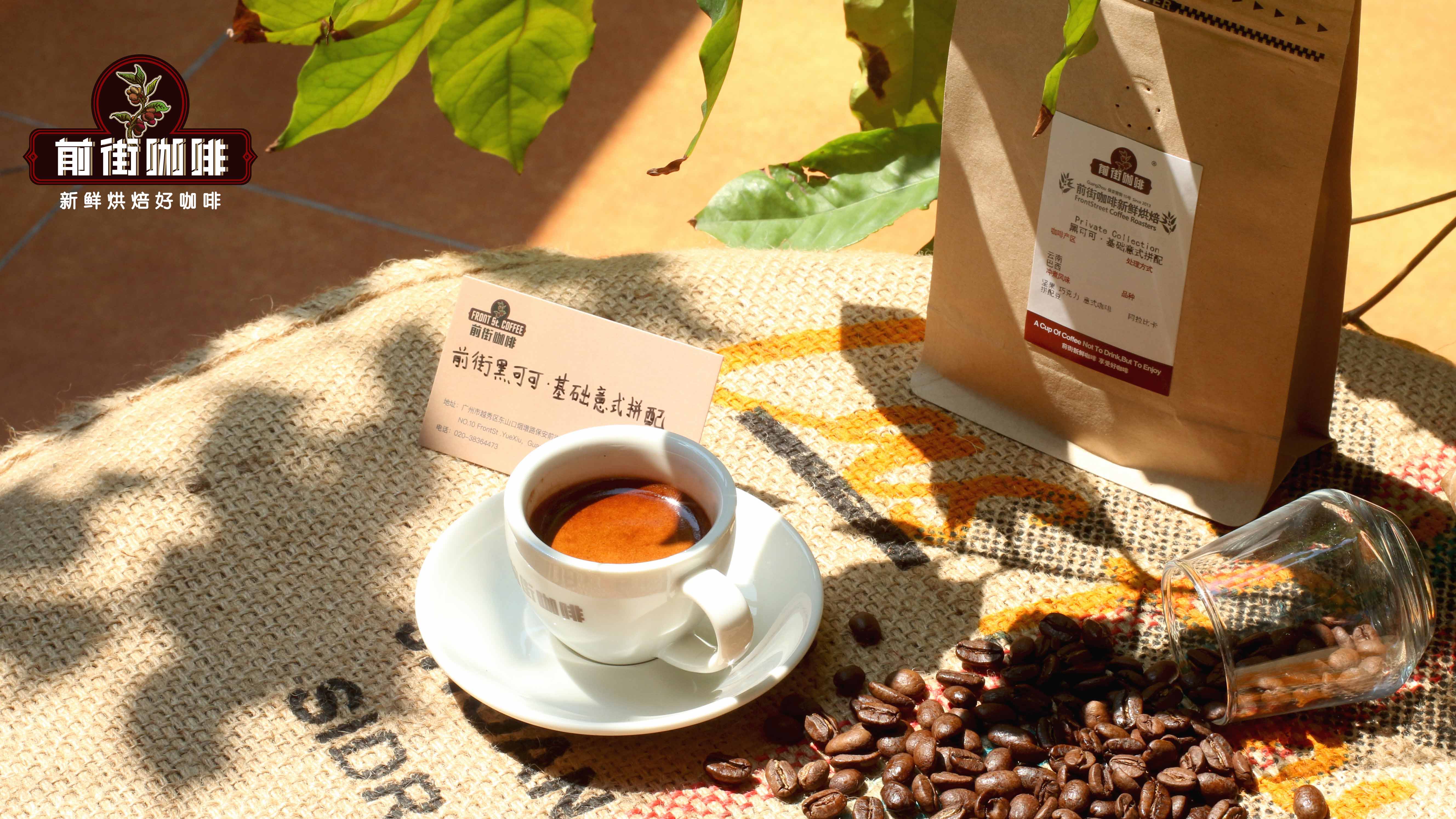
Starbucks Yunnan Reserve Coffee Bean Flavor Analysis: Qingkai Farm and Pu'er Baoshan Blend Bean Review
As China's only coffee-producing region with export capacity, Yunnan has seen its profile in the international market rise steadily in recent years. Since launching the Fengwu Xiangyun blend, Starbucks has been cultivating the Yunnan producing region for more than a decade, and in 2023 it released two Reserve coffees made entirely from single-origin Yunnan beans—the Qingkai Farm Reserve coffee and the Pu'er Baoshan blend. The former uses a mechanical drying method to cope with the rainy season, while the latter, for the first time, adopts a light elegant roast profile and is blended from the Baoshan Zuoyuan and Pu'er Jinshan cooperatives. This article details the origin background, processing methods and flavor performance of these two beans, and also recommends Front Street Coffee's Yunnan small-bean and Black Cocoa basic blends, offering coffee lovers a more comprehensive buying reference. [more…]
Guatemalan Antigua Coffee: A Unique Smoky Flavor Rooted in Volcanic Soil and Mayan Heritage
Guatemalan Antigua coffee is renowned worldwide for its balanced fruity acidity, rich spicy aroma, and signature smoky flavor. Behind this cup of coffee lies a tapestry woven from the ancient heritage of Mayan civilization, the rise and fall of Spanish colonial history, and the unique terroir bestowed by volcanic soil. From the diligent cultivation of the indigenous people to the admiration of today's international coffee connoisseurs, Antigua coffee carries a story spanning hundreds of years. This article will guide you through an in-depth understanding of Antigua coffee's flavor characteristics, historical origins, and its unique position in the global coffee landscape. [more…]